
There is no universally right answer here, only a right answer for what you are doing. A one-trip container is a nearly new asset with no history to inherit. A used container is a structurally sound box with a working life behind it and a great deal of value left in it. The decision comes down to three questions: will it be seen, will it be occupied, and will it be cut into.
On this page
What the terms actually mean
The vocabulary in this industry is loose, and some of it is used to flatter. These are the definitions we work to, and our condition guide sets them out in more detail.
One-trip / new
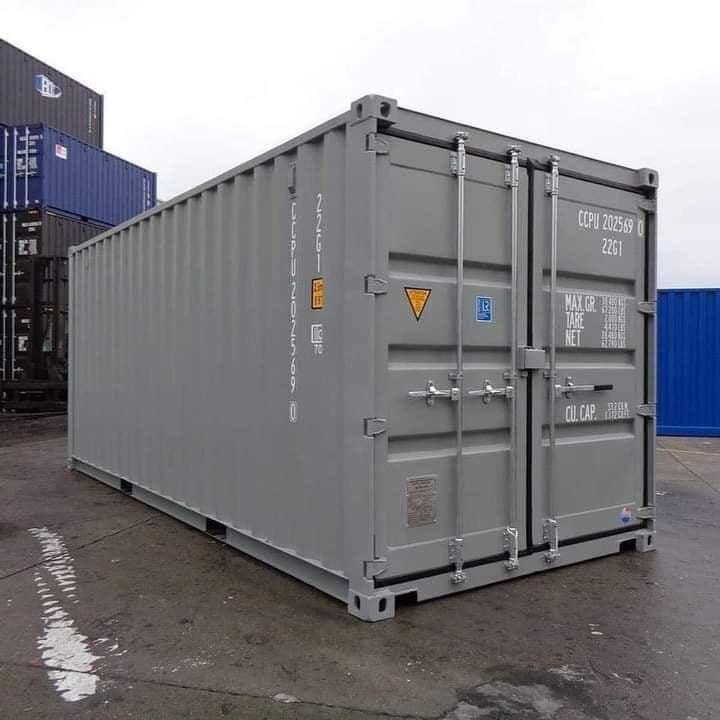
Factory built, loaded once to get it here, then sold. Original coating, perfect floor, square doors, valid plates. As close to new as a container gets.
Refurbished
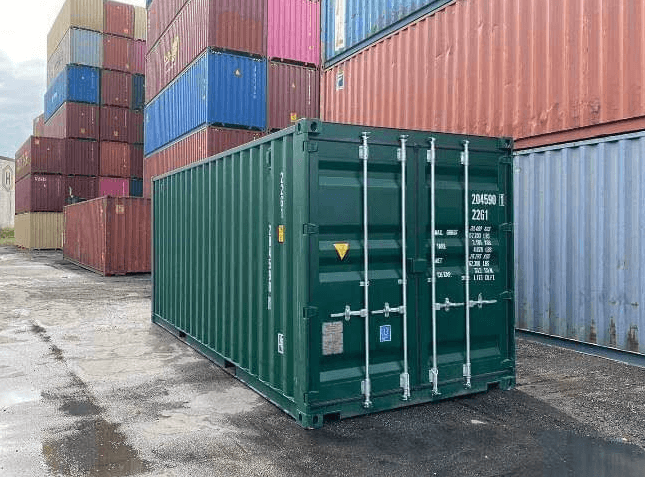
A used shell repaired, prepared and repainted in a single colour, usually with new gaskets and serviced locking gear. Looks close to new, costs closer to used.
Cargo-worthy
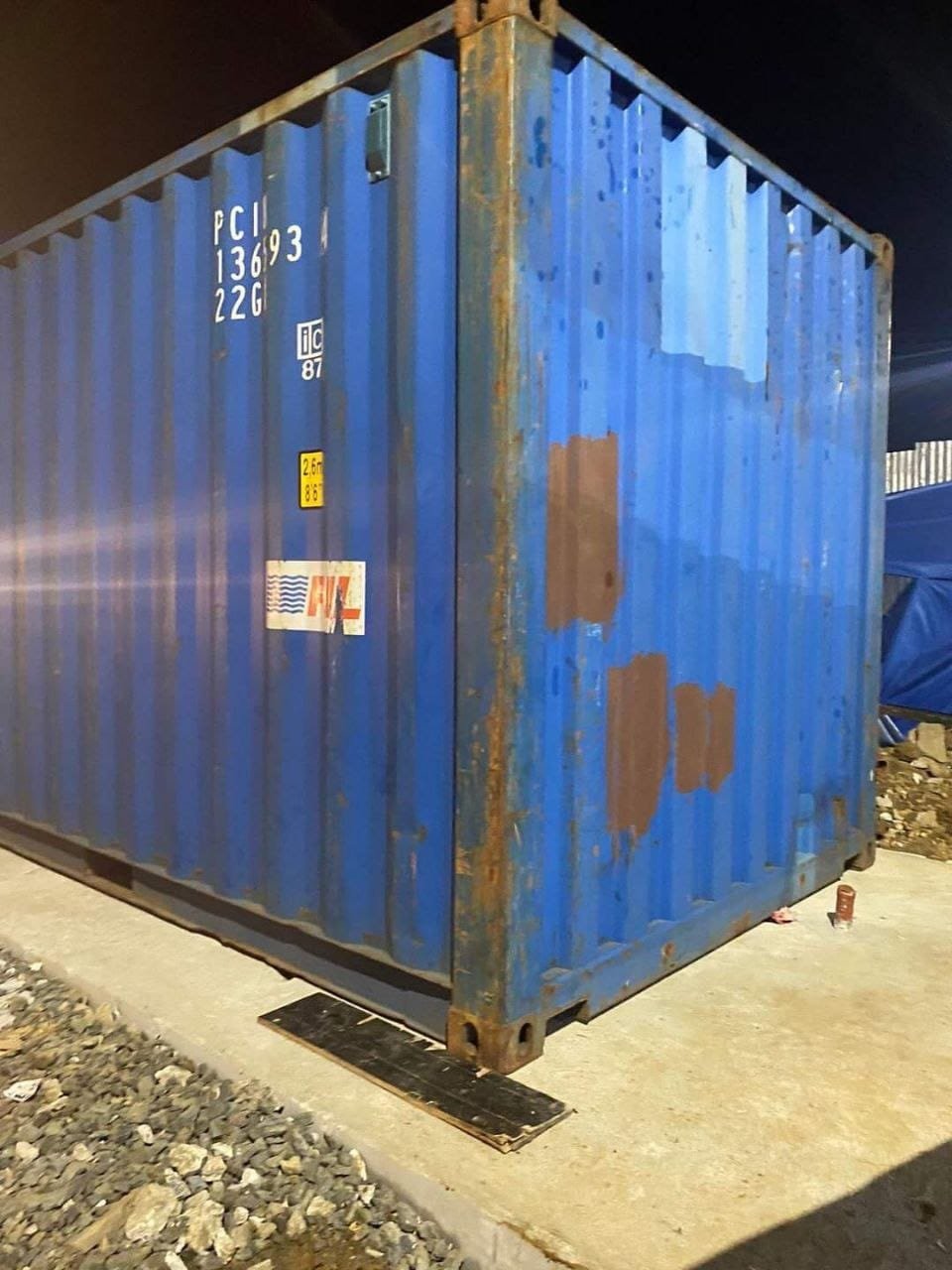
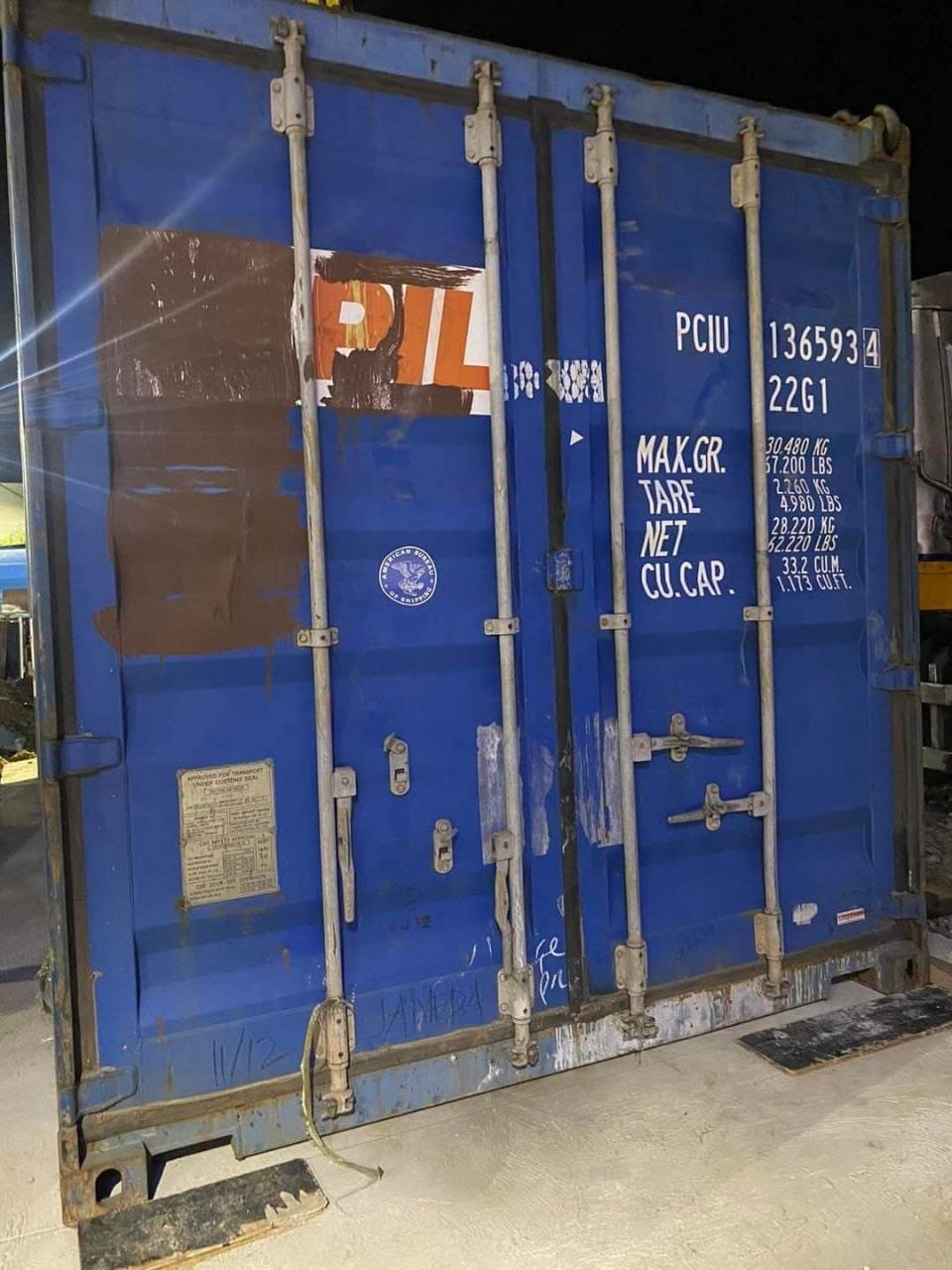
Certified fit to carry cargo at sea. Structurally sound, dry, doors and seals good, cosmetic wear and patch repairs expected.
Wind and watertight
Sound and dry for land use but no longer certified for sea. The workhorse grade for storage, and where most of the value sits.
You will also see as-is or handyman units. These are sold on the understanding that something is wrong — a bowed panel, a floor section, a door that needs work — and they only make sense if you have the skills and the time to fix what you find.
One-trip and used side by side
| Aspect | One-trip | Used (cargo-worthy or WWT) |
|---|---|---|
| Paint | Original factory coating, unfaded, single colour | Faded, often multiple patch colours and shipping line livery |
| Rust | Effectively none | Surface rust and patches expected; structure sound |
| Floor | Untouched marine plywood | Serviceable, often with repaired bays and wear at the threshold |
| Doors and seals | Square, easy, gaskets perfect | Work correctly but may need adjustment and greasing |
| Dents | Minimal to none | Cosmetic dents and scrapes are normal |
| Certification | Valid CSC plate | Cargo-worthy retains it; WWT generally does not |
| Best for | Offices, conversions, customer-facing sites, long-term assets | Storage, yards, sites behind a fence, budget-led projects |
| Cost | Highest | Best value per cubic foot by a wide margin |
The money question
We deliberately do not publish fixed price comparisons, because container pricing moves with shipping rates, availability at each depot and the cost of getting a unit to your postcode. What is stable is the shape of the decision.
- The premium is real but finite. One-trip units cost meaningfully more than used, and the gap is widest on 40ft high cubes because those are the units most in demand for conversions.
- Used wins on cost per cubic foot. If the job is dry storage behind a fence, a used unit is close to unbeatable value and the money saved buys the base and the security hardware.
- Conversions invert the maths. Once you are paying for insulation, lining, electrics and paint, the labour saved by starting with sound steel usually exceeds the purchase premium.
- Delivery is not a footnote. Transport is a significant part of the landed cost regardless of grade, and it is driven by distance and access rather than condition. See our delivery guide.
- Resale favours the better unit. One-trip and refurbished units hold their value noticeably better if you sell on in a few years.
Ask for the delivered figure: a cheap unit that needs a crane and a long haul can land dearer than a better unit from a closer depot. We quote delivered, so you are comparing the number that actually matters.
Which to choose for what
| Use | Recommendation | Reasoning |
|---|---|---|
| General storage in a yard | Wind and watertight used | Dry, secure, and the best value available |
| Storage at a customer-facing site | Refurbished | Looks deliberate rather than industrial, at sensible money |
| Domestic garden or driveway | Refurbished or one-trip | Appearance drives neighbour goodwill and planning outcomes |
| Insulated office or welfare unit | One-trip high cube | You are building over the shell; start with sound steel and headroom |
| Workshop conversion | One-trip, or a strong cargo-worthy | Openings and fit-out reward a square, sound frame |
| Site store on a construction project | Used, cargo-worthy | It will get knocked about. Buy accordingly |
| Long-term asset or resale | One-trip or refurbished | Better residual value and a much longer maintenance runway |
Where the unit will be visible, appearance is a legitimate technical requirement rather than a vanity: it shapes how neighbours react and how a planning officer reads the application, as covered in our permits guide.
Inspecting a used unit
If you are buying used, this is the ten-minute routine that separates a good unit from a cheap one. Everything we sell has already been through it, and our inspection information page sets out what we check and photograph.
Shut the doors and look for daylight
From inside with the doors closed, any pinprick of light is a water path. Check the roof line, the seams and the door seals.
Walk the floor
Feel for spring or soft patches, and look closely at the threshold where wear and water concentrate.
Work the door gear
Cams, rods, hinges and keepers should move without a fight. Doors that need a shoulder mean a racked frame or a bad base.
Read the rust honestly
Surface bloom and patch repairs are fine. Flaking scale, pitting and holes are not.
Check the roof
Stand on something and look along it. Ponding, debris and dents that hold water are the beginning of the end.
Find the plates
The CSC plate and timber treatment plate tell you the build year, the manufacturer and the treatment. Our glossary explains each one.
The refurbished middle ground
Refurbished units are the option most buyers do not know to ask for, and for a lot of jobs they are the right answer. You take a structurally sound used shell, deal with any corrosion, shot-blast or properly prepare the surfaces, repaint in one colour, renew the gaskets and service the locking gear. What you end up with looks close to a one-trip from ten feet away, costs much closer to used, and comes with a fresh maintenance clock.
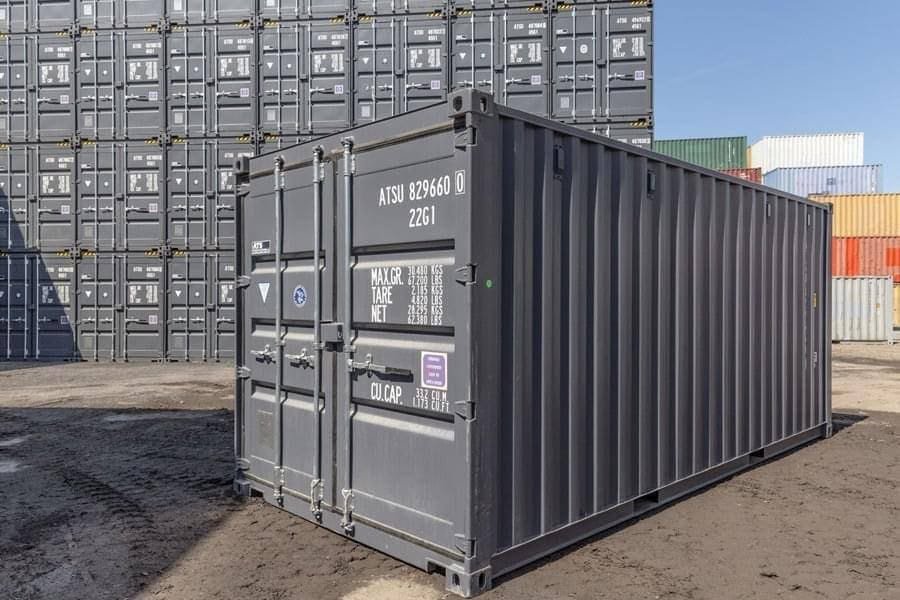
The trade-off is honest: the steel underneath still has a history, and there will be dents and repaired areas that paint does not undo. But for a unit going somewhere visible, where the alternative was paying a one-trip premium purely for appearance, it is very often the smarter purchase. The preparation matters more than the paint, which is why our painting guide spends most of its length on what happens before the brush.
Not sure which grade you need?
Tell us what the container is for, where it is going and whether it will be seen. We will tell you the grade we would actually recommend, including when the cheaper option is the right one.
Questions answered
A one-trip container was built at the factory, loaded with cargo for a single voyage to get it to this side of the world, and then sold. It is effectively new: the paint is original and unfaded, the floor is untouched, the doors are square and the seals are perfect. It is not literally unused, because shipping it here paid for part of its journey.
For the great majority of storage jobs, yes, and it is where most of the value sits. A cargo-worthy or wind and watertight used unit is structurally sound, dry inside and will serve for decades on land. You are buying cosmetic wear, patch repairs and faded paint, none of which affects how well it keeps your things dry.
Substantially more than a used unit of the same size, and the gap widens on 40ft high cubes. Whether that premium is worth paying depends almost entirely on whether the container will be visible, occupied, or converted. For a box behind a workshop it rarely is; for an office in a customer-facing location it usually is.
You can, but think carefully. Every hour spent treating rust, replacing floor panels and straightening door gear on a used shell is an hour that a one-trip did not need. Once you are spending money on insulation, lining and electrics, starting with sound steel is normally the cheaper route overall.
Most used units coming out of shipping service are between eight and fifteen years old. Age matters far less than history: a fifteen-year-old unit that has been kept level and dry will outlast a ten-year-old one that has sat in a puddle. That is why grading is based on condition rather than years.
A used shell that has been taken back, repaired where needed, shot-blasted or prepared and repainted in a single colour, usually with new gaskets and serviced door gear. It gives much of the appearance of a one-trip at closer to used money, and it is often the sweet spot for buyers who care how the unit looks.