
Almost everything that goes wrong with a container over winter is preventable in about an hour in October. Clear the roof, grease the gear, check the vents, lift the contents and confirm it is still level. Skip that hour and winter will find the roof, the door seals and the floor in that order.

On this page
The autumn hour
This is the whole job. Do it once, before the first hard frost, and you will spend the rest of winter not thinking about your container.
Clear the roof
Leaves, grit, moss, twigs, anything sitting in the corrugations. Trapped organic matter holding water is the number one cause of roof corrosion.
Grease the locking gear
Cam bars, cams, keepers, hinges and lock rods. Seized door gear in January is the most common avoidable failure there is.
Treat the gaskets
Wipe them down and apply silicone grease so they stay supple and do not freeze to the frame.
Check the vents are clear
Cobwebs, nests and stacked boxes all defeat ventilation exactly when you need it most.
Lift the contents
Pallets or battens under everything, and a couple of inches of air between goods and the walls.
Confirm it is level
A spirit level across both diagonals. Ground moves through the year, and doors are the first thing to complain.
While you are up there: look along the roof for any dent or dip that holds water. Those are the spots that will freeze, thaw and eventually break the coating. Our painting guide covers treating them properly.
The roof is where winter attacks
Nobody inspects the roof, which is precisely why it fails first. It is a shallow corrugated pan designed to shed water when the container is level and in the open, and it does that job well until something interferes: a dent that holds a puddle, a build-up of leaf litter that acts as a sponge, an overhanging tree that drops debris and blocks light and air, or a unit that has settled out of level so water collects in one corner instead of running off.
Water sitting on steel through repeated freeze and thaw cycles is the harshest treatment a coating can get. Ice expands into any break in the paint, lifts the edges, and next winter the exposed metal is wider. This is why a twenty-minute sweep in autumn genuinely extends the life of the unit, and why treating the roof is the highest-value coating job you can do.
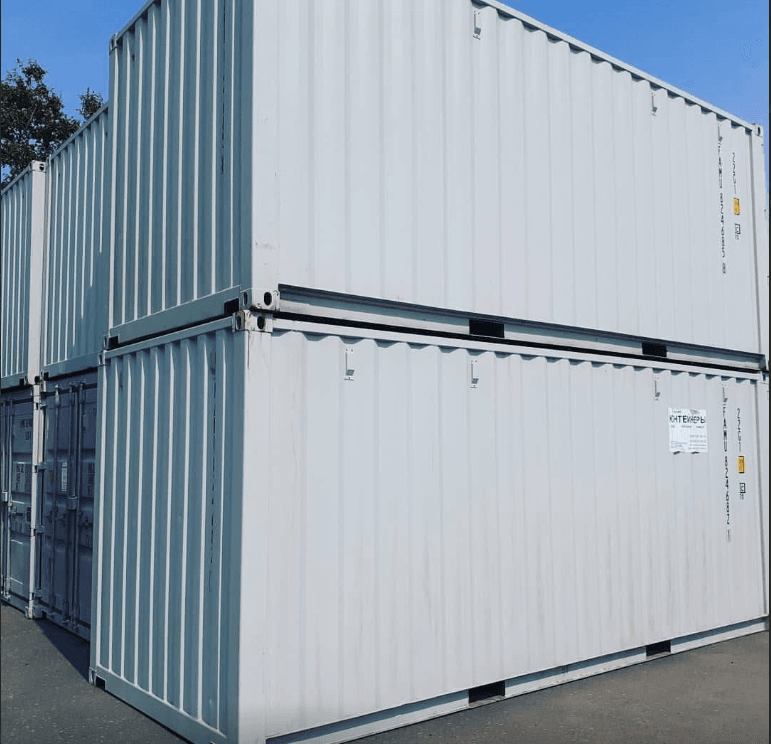
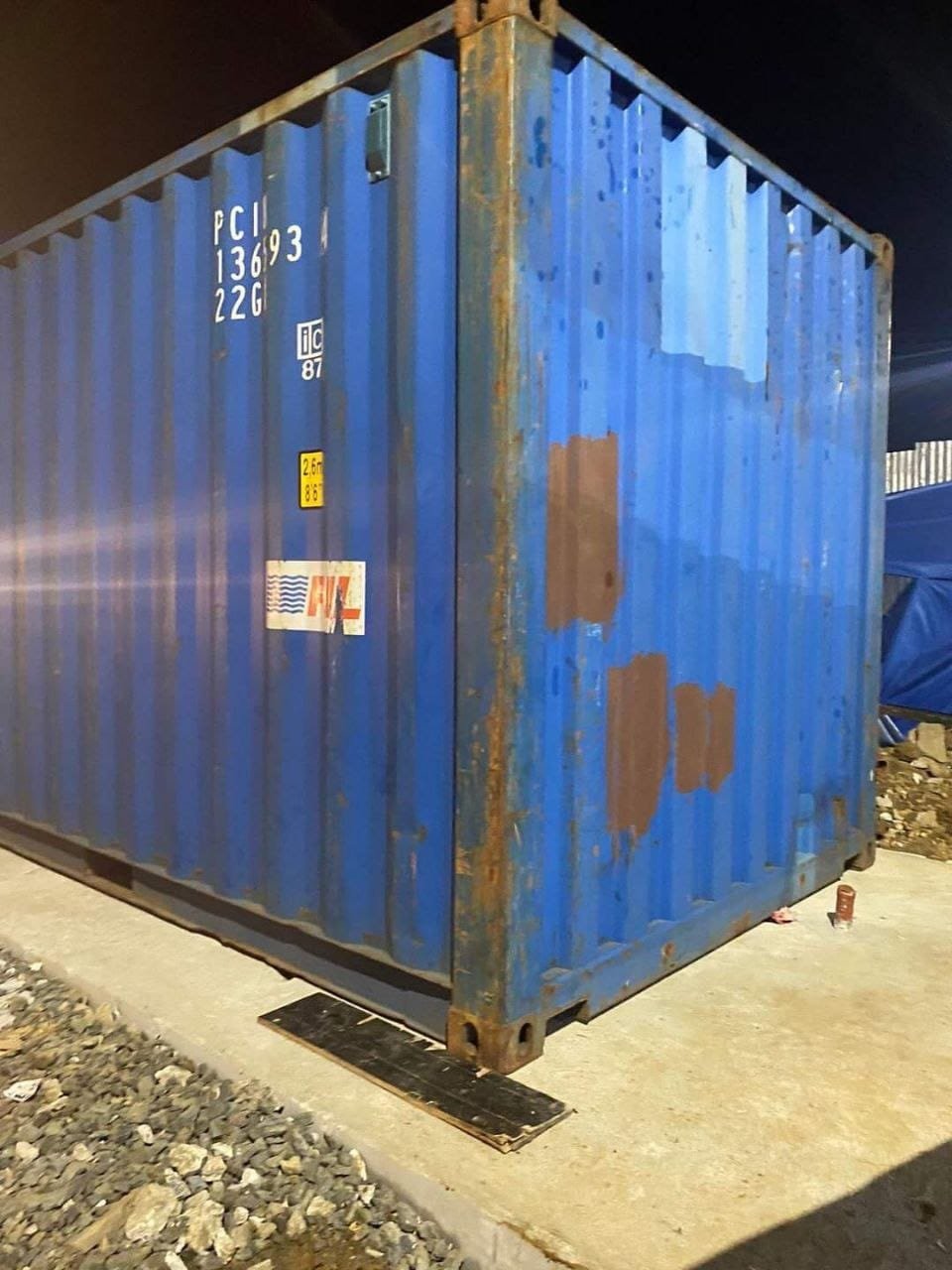
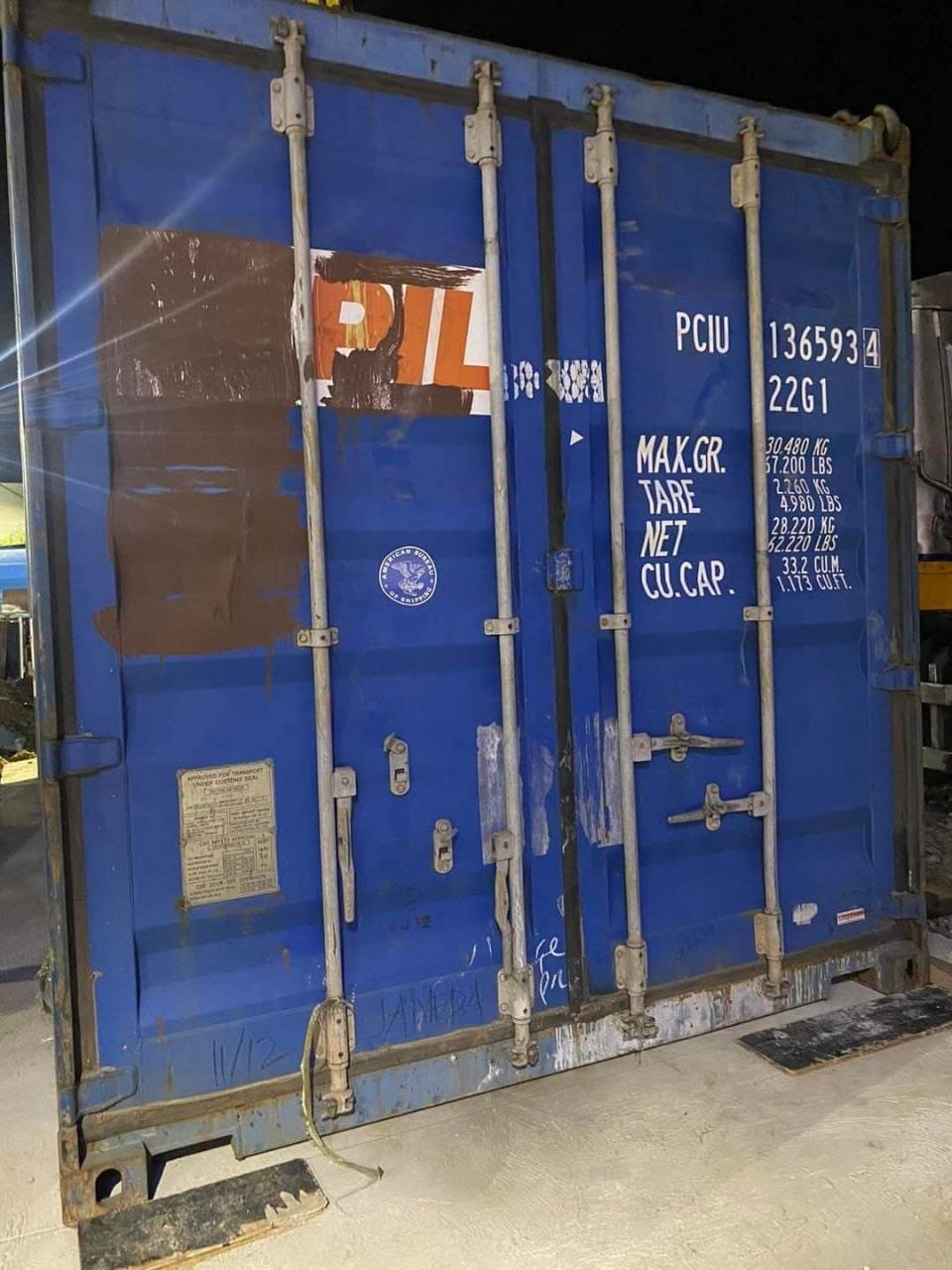
Doors, gaskets and frozen locks
Cold weather causes two door problems, and both are trivial to prevent and annoying to fix. Grease stiffens as temperatures fall, so cam bars and hinges that were merely stiff in November become genuinely immovable in January. And rubber gaskets that have hardened with age will freeze to the door frame, so the first hard pull tears the gasket rather than opening the door.
- Grease everything that turns. A proper marine or lithium grease on cams, rods, hinges and keepers, before the cold arrives.
- Silicone the gaskets. It keeps them supple, stops them bonding to the frame and sheds water rather than absorbing it.
- Exercise the doors monthly. Open both fully and close them again. It keeps the seals from setting and reveals any change in alignment early.
- Cover the padlock. A padlock cover or a smear of grease in the keyway keeps water out of the mechanism so it does not freeze solid.
- Never force a frozen door. Warm the gasket, work it gently. Forcing it distorts the rods and racks the frame.
- Check alignment after a frost. Doors that suddenly need a shoulder mean the base has moved, not that the doors have.
Winter is also when a poor padlock shows itself. If yours is an open-shackle hardware-store lock, replace it before the weather does it for you, and read our security guide on what to fit instead.
Winter damp and condensation
Condensation is worst in winter, and the reason is straightforward. The gap between the temperature of the air you shut inside and the temperature of the steel on a clear cold night is at its greatest, so the dew point is crossed most nights rather than occasionally. An unventilated container in January will genuinely rain on its own contents.
| Measure | Effort | Effect |
|---|---|---|
| Goods off the floor on pallets | Minutes | Large. Stops moisture wicking into cardboard and fabric |
| Air gaps at the walls | Minutes | Large. Keeps contents away from the coldest surfaces |
| Desiccant tubs and hanging absorbers | Cheap, needs replacing | Useful in a smaller sealed space |
| Two extra passive vents | A short fitting job | Very large. Cross-flow is what actually removes moist air |
| Roof turbine vent | A fitting job | Continuous extraction, no power needed |
| Humidistat extract fan | Needs a power supply | Excellent for sensitive contents |
| Insulation | A project | Solves the cause rather than the symptom |
Ventilation and insulation are complementary rather than alternative, and both are covered properly in our ventilation guide and insulation guide.
Snow, wind and standing water
A container roof carries snow comfortably as a structure. The problem is not strength, it is that the roof holds snow instead of shedding it, and wet snow is heavy. Repeated partial thawing pools water into any low point and refreezes it, which is the mechanism that turns a small coating break into a hole over several seasons. After a significant fall, push the snow off with a broom rather than letting it sit through a thaw cycle.
Wind matters less for the container itself, which is heavy and low, and more for anything you have added: roof turbines, canopies, signage, cladding on the visible face, and any doors left standing open. Container doors catch wind like sails, so latch them back properly or close them. And if the unit sits under trees, autumn is the time to cut back the branches that will otherwise drop debris onto the roof all winter and hold moisture against the paint.
Protecting what is inside
Frost itself damages surprisingly little, but the freeze-thaw cycle damages plenty. Anything containing water is the obvious risk: pressure washers, garden equipment, paint, adhesives, batteries, and any plumbing in a converted unit. Drain what you can drain and take home what you cannot.
The spring check
The other half of the routine, and the one people forget. Ground heaves and settles through freeze and thaw, so a base that was perfectly level in September can be a quarter of an inch out by March. Five minutes with a level in spring tells you whether to shim a corner now or replace a door frame in three years.
- Level check on both diagonals. Twist is what damages the frame, not a gentle uniform fall.
- Open both doors fully. They should still swing and latch without effort. Any change points at the base.
- Look for winter damage on the roof. New dents, ponding marks, coating breaks around debris that sat all winter.
- Check inside for water marks. Stains on the floor or walls tell you where to look for a leak or where condensation collected.
- Touch up the coating. Spring is the right weather for it. Deal with breaks before another winter finds them.
- Clear the drainage. Make sure water still runs away from the base rather than pooling under the unit.
Winter-ready before it arrives
We can deliver units with extra vents, a roof turbine, new gaskets, serviced door gear and a fresh coating, which means the first winter starts from a clean sheet rather than a to-do list.
Winter questions answered
They need about an hour of attention in autumn, and that hour prevents most of the problems people report in spring. Clear the roof, grease the locking gear, check the vents, lift anything off the floor and confirm the unit is still level. Nothing on that list is difficult and all of it is cheaper than the repairs it prevents.
Two reasons. Grease stiffens and unlubricated cam bars seize in the cold, and gaskets that have gone hard can freeze to the frame. A greasing in October and a squirt of silicone on the gaskets solves both. Never force a frozen door; you will distort the rods or tear the gasket.
A container roof is strong but it is a shallow pan, not a pitched surface, so it holds snow rather than shedding it. Deep wet snow is heavy, and if the unit is out of level it will pond and refreeze in the corner that sits lowest. Sweep it off after heavy falls rather than letting it build up and thaw repeatedly.
Considerably. The temperature difference between the air you shut inside and the steel outside is at its greatest on cold clear nights, which is exactly when condensation forms. Winter is when unventilated containers rain on their own contents.
Only if it is insulated. Heating an uninsulated steel box is pouring money through the walls, and it can make condensation worse by holding more moisture in the air. If the contents need frost protection, insulate first, then use a small thermostatically controlled heater.
Yes. Ground heaves and settles with freeze and thaw cycles, and a base that was level in September can be out by spring. That is why a level check in autumn and again in spring is worth the five minutes it takes.