
The container is rarely the expensive part. What sits inside it usually is, and that is where policies diverge most sharply. This page explains how insurers tend to look at containers, the conditions they commonly attach, and the questions worth asking before you buy rather than after an incident.
On this page
Please note: this page is general information about how container insurance tends to work, not advice about your circumstances or a recommendation of any product. Cover, wording and conditions vary widely between insurers and territories. Speak to your own insurer or a broker before relying on anything here.
What actually needs covering
It helps to separate the risks, because different policies handle each one differently and it is common to be well covered for one and not covered at all for another.
The container itself
Theft of the whole unit, malicious damage, fire, storm damage, impact. Usually the smaller value, and often the easiest to cover.
The contents
Theft, water damage, fire, and damage from condensation or damp. Frequently the larger value and much more often limited or excluded.
Liability
Injury or damage arising from the container being there, particularly relevant on sites the public can reach.
Transit and siting
Damage in transport or during placement, and damage caused to your property by the delivery.
The two that catch people out are contents and damp. A policy may happily cover a container against theft and storm while excluding the tools inside, or cover the contents against theft while excluding damage caused by condensation — which, as our ventilation guide explains, is the most likely thing to actually happen.
The types of cover involved
| Policy | What it may cover | Common limitations |
|---|---|---|
| Home or contents policy | A container in a garden treated as an outbuilding | Low outbuilding limits; exclusions for temporary structures and for business goods |
| Commercial property policy | Containers on a business premises | Often requires the unit to be inside a secured boundary and to specified lock standards |
| Business equipment or tools cover | Tools and plant wherever they are stored | Frequently excludes goods left overnight in an outbuilding unless specifically declared |
| Standalone container or storage cover | The unit and contents together | Usually the cleanest fit; conditions on locks, alarms and siting are normal |
| Goods in transit | Contents while being moved | Not the same as cover while stored |
| Construction or site policy | Site stores and welfare units | Often already includes containers, but check the sums insured |
Conditions insurers impose
Insurers price container risk on how hard the unit is to attack and how exposed it is. The conditions they attach are therefore mostly about the door end and the boundary, which happens to align neatly with what is worth doing anyway.
- A lockbox. A welded steel shroud over the padlock is the condition we see most often, and the single most effective upgrade regardless. Our security guide explains why.
- A specified padlock standard. Closed shackle, hardened, often a named standard. An open-shackle hardware-store lock will fail the condition and the attack.
- Alarm or monitoring. Increasingly common above certain sums insured. Battery and solar systems satisfy most requirements.
- A secured boundary. Many commercial policies require the unit to sit inside a locked compound rather than in open ground.
- Siting requirements. Doors facing a building or a camera, or the unit positioned away from a public boundary.
- Goods off the floor. Sometimes a condition, always sensible, and it addresses damp claims as much as flood ones.
Meeting conditions approximately is the same as not meeting them. If the policy says a closed shackle padlock to a named standard, fit exactly that and keep the receipt.

Valuing the unit and the contents
Two separate exercises, and both are worth doing properly before anything happens rather than under pressure afterwards.
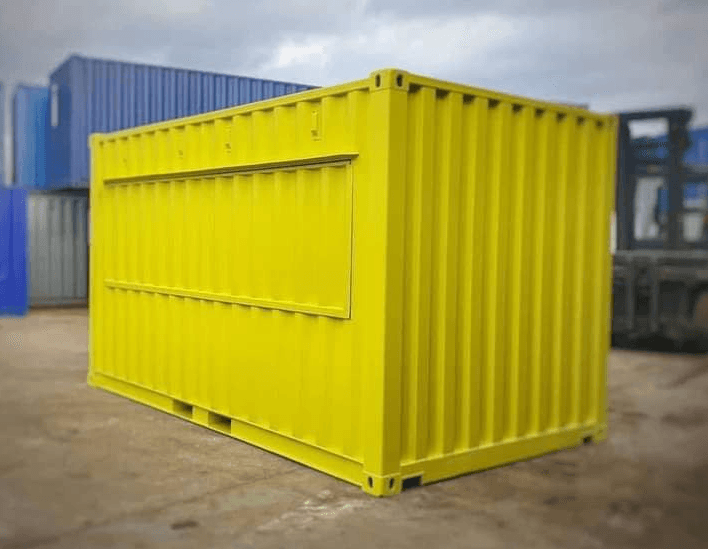
For the container, be clear whether you are insured for replacement or for market value, and whether that market value reflects a like-for-like grade. A one-trip high cube and a wind and watertight 20ft are very different assets, and our grade comparison explains why. Remember that replacing a container also means paying to deliver and place a new one, which is a real cost that a bare purchase figure ignores.
For the contents, walk the unit with a phone and photograph everything, then write down the serial numbers of anything that has one. Add up what it would cost to replace, not what you paid. Most people discover the total is considerably higher than the figure they had in their head, and being under-insured is the most common reason a claim disappoints.
Delivery, transit and siting
During transport and placement, cover normally sits with the haulier or the supplier up to the point the unit is set down, but the detail varies and it is a reasonable question to ask before delivery day. Our own shipping policy sets out how we handle damage found on arrival and the timescales for reporting it.
What is rarely covered by anyone is damage caused to your property by a delivery that should not have been attempted: a driveway that could not take a loaded lorry, a gatepost that was narrower than stated, a drain cover that collapsed under an outrigger. That risk sits with the person who described the access. It is another reason to send photographs and honest measurements in advance, as covered in our delivery methods guide.
Records that make a claim easy
Photograph the unit on day one
All four sides, the roof, the door gear, and the plates at the door end.
Record the container number
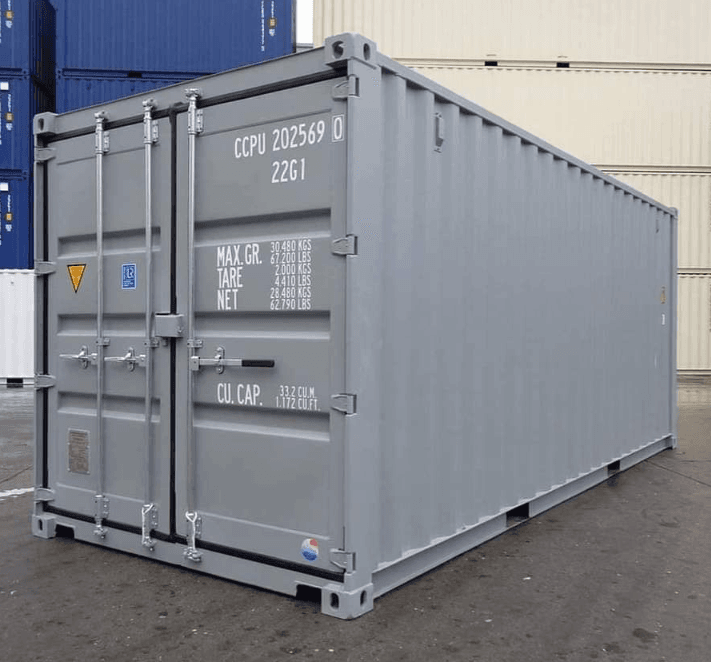
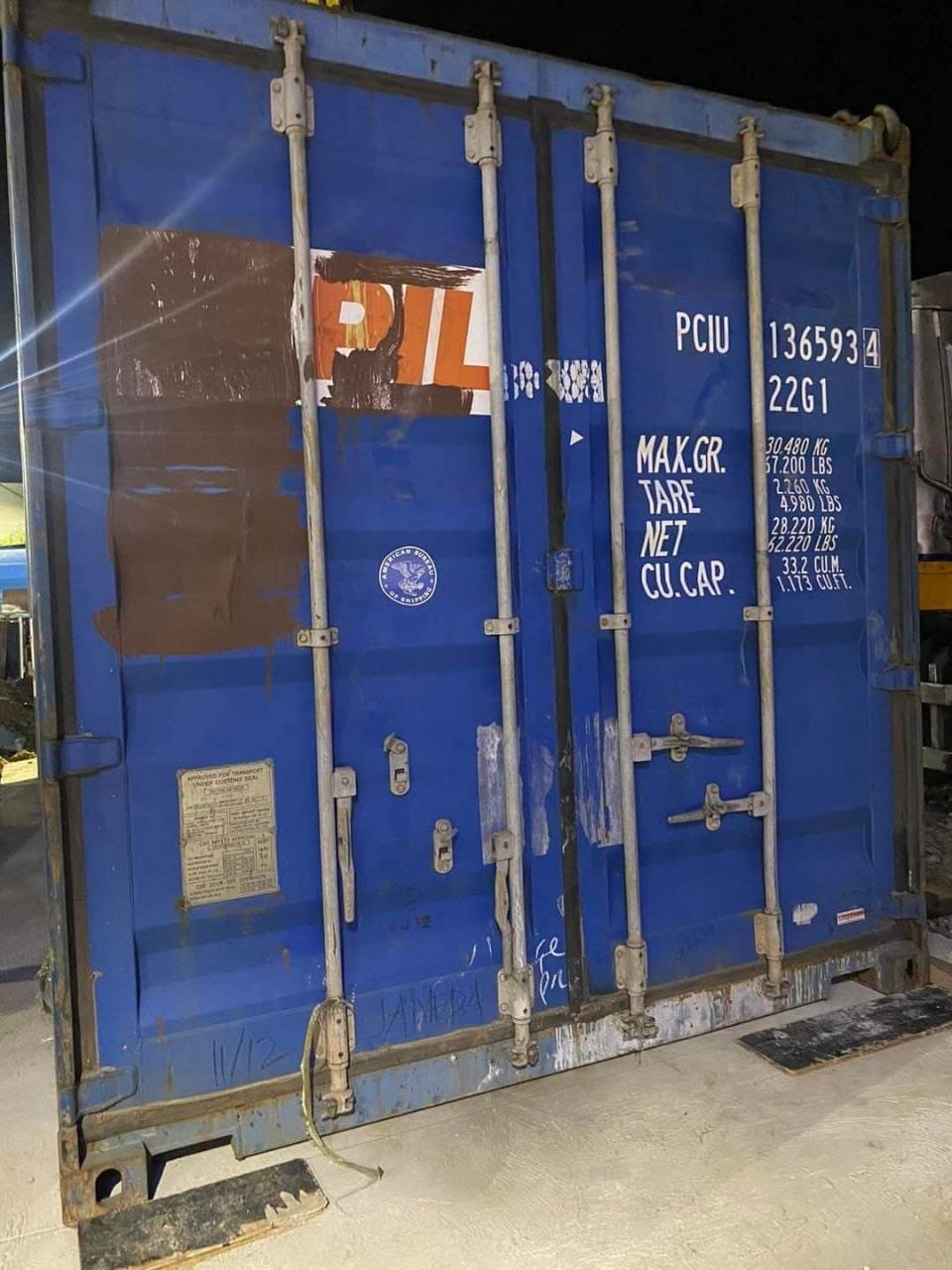
It is stencilled on the doors and repeated on the CSC plate. Keep it with your policy documents.
Photograph the contents
A slow walk with the camera running is enough. Repeat it whenever the contents change materially.
List serial numbers
Tools, machinery, electronics. This is what recovers stolen property and satisfies adjusters.
Keep the paperwork
Purchase invoice, delivery note, electrical certification, structural drawings for any conversion.
Evidence the conditions
Photograph the lockbox, the padlock and the alarm. Keep the receipts that prove the standard.
Questions worth asking
Take this list to your insurer or broker. Getting written answers before you buy takes one email and removes almost all of the uncertainty.
- Is a shipping container covered at all under this policy, and as what? Outbuilding, temporary structure, plant, or excluded entirely.
- Are the contents covered, and to what limit? Ask specifically about tools, business stock and anything high value.
- Is damage from condensation or damp covered? This is the most likely loss and the most commonly excluded one.
- What security conditions apply? Locks, lockbox, alarm, compound, and whether any are subject to a named standard.
- Does an occupied or modified unit change anything? Openings, electrics and occupation all alter the risk being priced.
- What is required at the point of claim? Ask now what evidence they will want, then keep it from day one.
We can supply what your insurer asks for
Lockboxes, closed shackle padlocks, security bars, alarms and additional keepers can all be fitted before delivery, and we will provide the unit specification and photographs your insurer needs.
Insurance questions answered
Sometimes, often only partly, and occasionally not at all. Many policies treat a container as an outbuilding, some treat it as a temporary structure and exclude it, and a good number cover the container itself but limit or exclude the contents. The only way to know is to ask your insurer specifically and get the answer in writing.
The most common are a specified lock standard, a lockbox fitted over the padlock, an alarm, and a requirement that the unit sits within a locked compound or behind a secured boundary. Some also ask for the container to be anchored or for goods to be stored off the floor. Meeting the conditions exactly is what makes a claim payable.
If your existing policy does not extend to it, standalone container or storage cover is widely available. It is also usually the cheaper route than trying to force an unsuitable policy to fit. A broker who has done it before will save you a lot of time here.
Normally by the haulier or supplier up to the point of placement, but the detail varies and it is worth confirming. What is rarely covered is damage to your property during delivery caused by conditions you were responsible for, such as a drive that could not take the vehicle. Our shipping policy sets out how we handle damage.
It can. Cutting openings, adding electrics or making the unit occupied all change what is being insured and how it will be assessed. Tell your insurer what you have had done, keep the electrical certification, and keep the drawings.
Photographs of the unit and the contents, the container number and CSC plate details, serial numbers for tools and equipment, purchase invoices, any electrical or structural certification, and evidence that you have met the security conditions. Twenty minutes of work that makes a claim dramatically simpler.