
Everything we have learned about buying, siting, securing and looking after a shipping container, written down and kept in one place. No sign-up and no email capture — these are the same guides our own sales team reaches for when a customer asks a hard question.
On this page
Buying guides
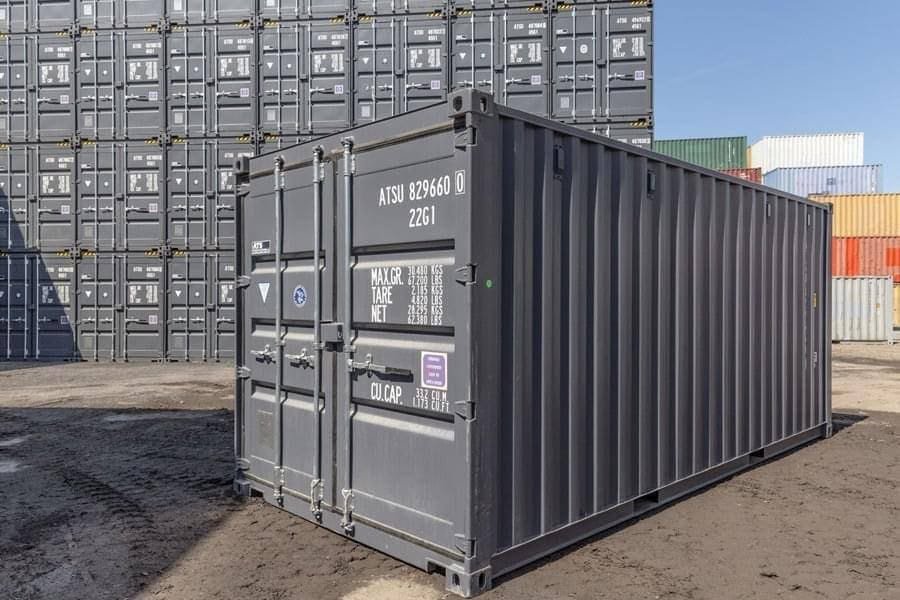
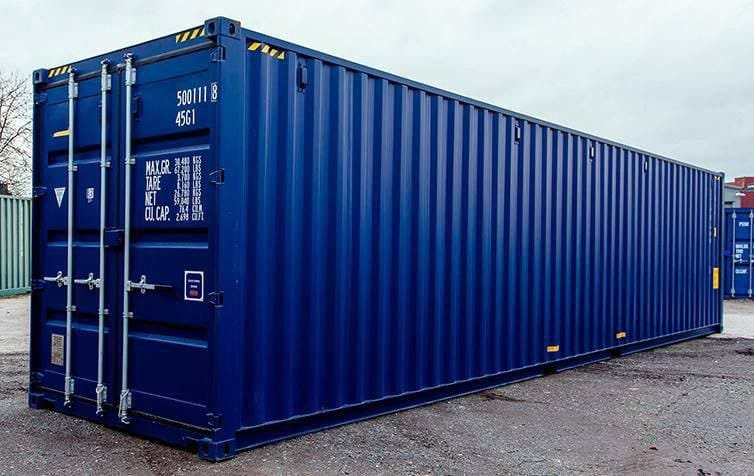
Start here if you have never bought a container before. Three decisions set your price and decide what actually turns up on site: how long the box is, what condition grade it carries, and whether you need the extra foot of internal height. Get those right and the rest is logistics.
The container blog
Guides answer the questions we get asked every week. The blog covers everything else: market pricing movements, unusual builds we have delivered, changes to planning rules, seasonal advice and the practical write-ups that do not fit neatly into a reference page. It is where we post first when something changes.
Not sure which guide you need?
Tell us what the container is for, where it is going and how the lorry will reach it. We will point you at the two or three pages that matter and skip the rest.
Maintenance
A container asks for very little, but the little it asks for matters. Water off the roof, a level base, greased locking gear and a touch-up before rust bites will keep a used unit working for decades. Neglect the roof and the floor for five years and you will be paying for repairs instead.
Delivery
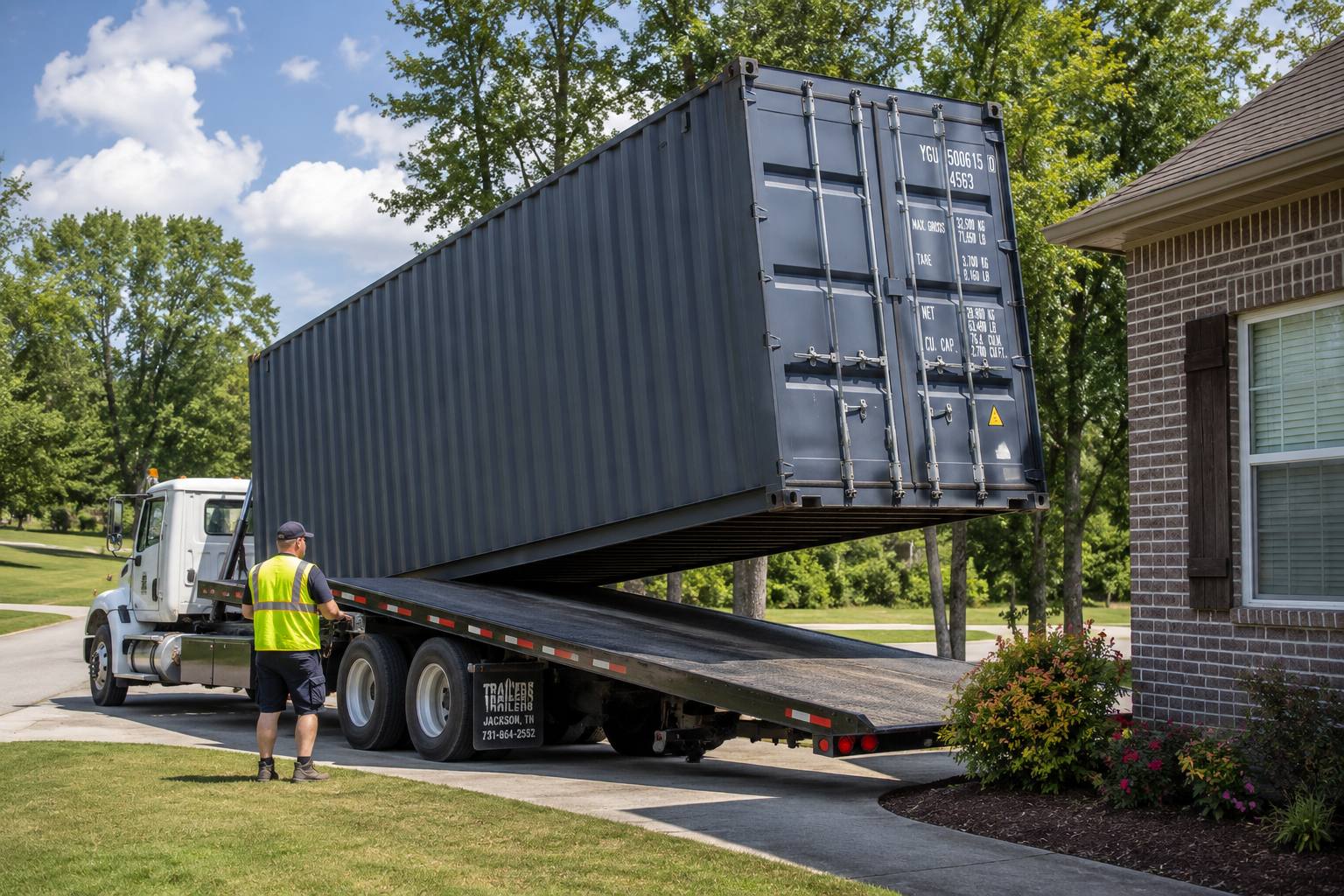
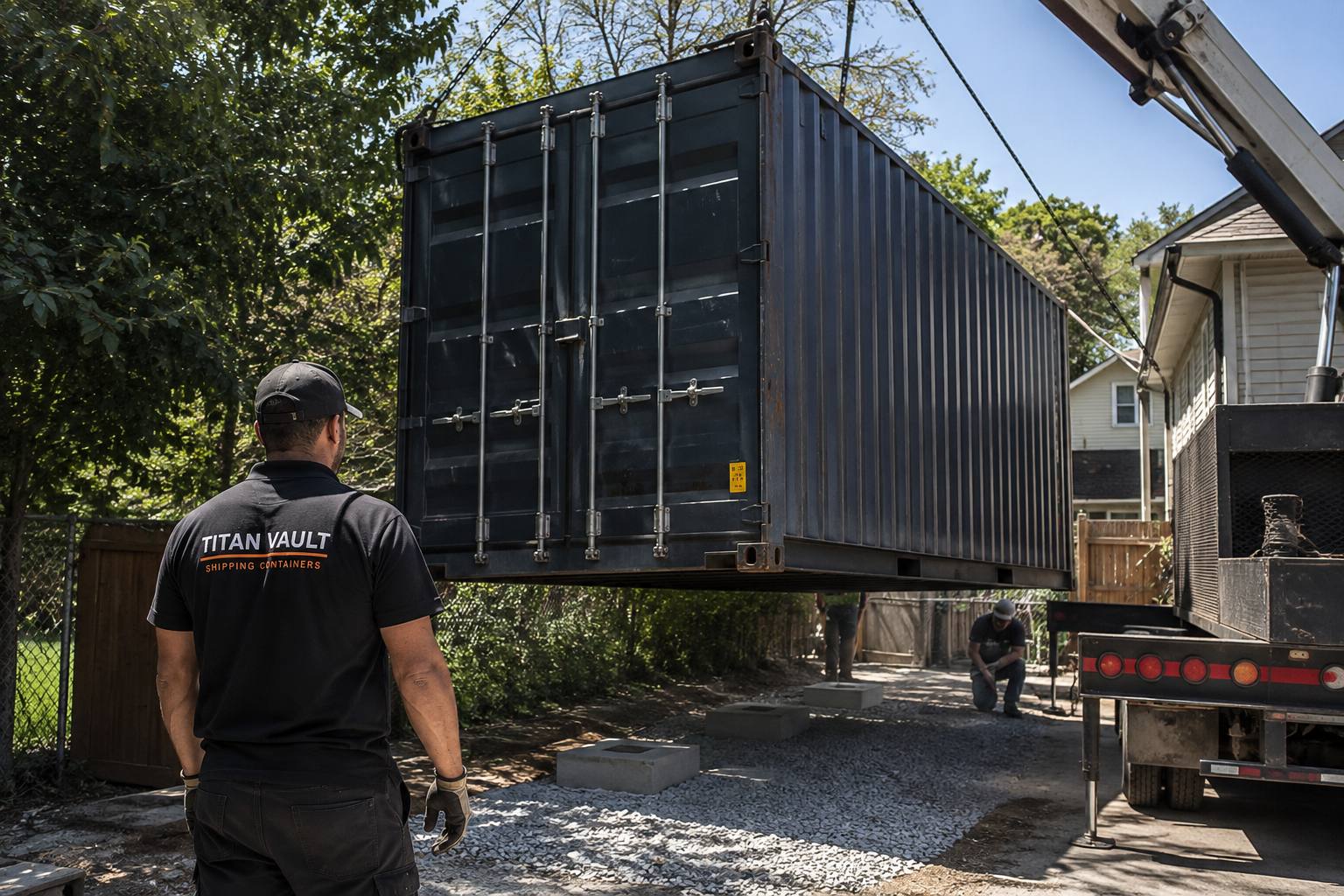
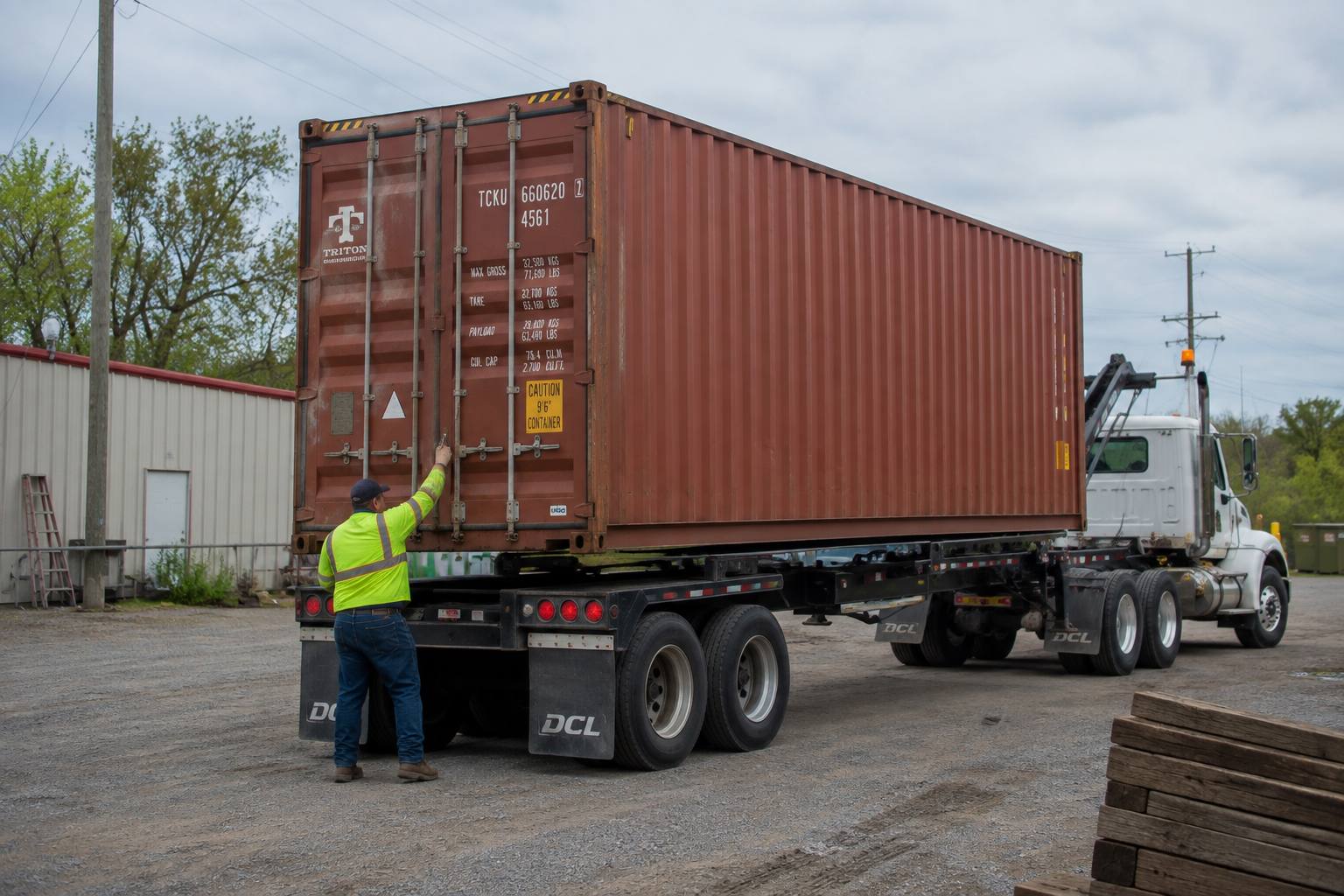
More problems happen on delivery day than at any other point in a container purchase, and nearly all of them are access problems that were foreseeable. Measure the approach, the swing room and the overhead clearance before you order, not after the lorry arrives.
Permits and planning
Whether you need permission depends on where the container goes, how long it stays and what you use it for. A temporary store behind a working building is usually a different conversation to a permanent office on a boundary line. These pages explain which questions your local authority will ask and how to answer them.
Foundations
Containers are designed to carry their entire load through the four corner castings. That single fact decides everything about the base: you are not building a slab to support a floor, you are creating four level, stable, well-drained bearing points. Get them out of level and the doors will tell you within a week.
Painting and coatings
Marine paint on a container is a sacrificial layer, and once it fails the steel underneath starts giving ground. Repainting is genuinely worthwhile, but only if the preparation is done properly — a roller over loose scale buys you a season, whereas correct preparation buys you a decade.
Security
A container is already a steel box with no windows, which puts it ahead of almost any shed. The weak point is never the walls — it is the door gear, the padlock and the fact that a thief has time and privacy. Fix those three and you have a genuinely hard target.
Modifications
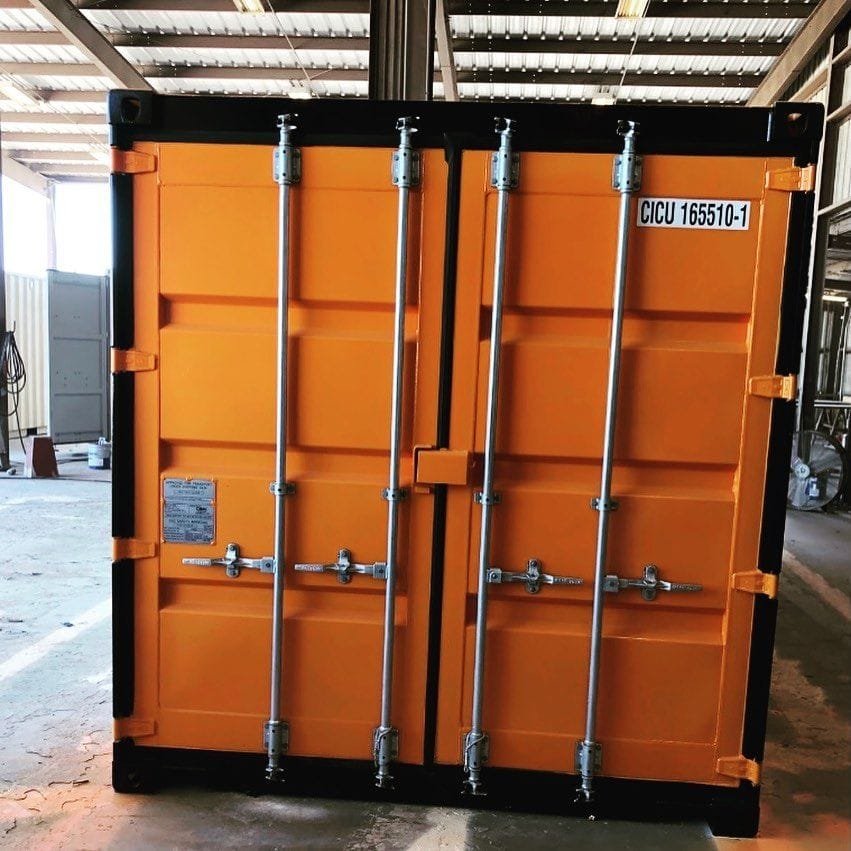
Personnel doors, windows, roller shutters, insulation, lining, electrics, ventilation, shelving, partitions and paint — almost anything can be cut into a container, provided the structure is respected. Cutting steel out means putting steel back in the right places, and that is what separates a conversion that lasts from one that racks.
Reference and support
The pages you reach for mid-conversation: definitions, answers to the questions we get most often, and the detail on how we inspect, price and stand behind what we sell.
Still want a second opinion?
Reading is no substitute for someone looking at your access photos. Send a couple of pictures of the approach and the standing position and we will tell you honestly whether a delivery will work.